 By Harvey
Walk into any dispensary or shop online for CBD and you’ll run into the same three words over and over: full-spectrum, broad-spectrum, and isolate. They sound like technical jargon, but the difference between them actually matters a lot for what you’re buying and what you can expect from it. Here’s what each one actually means.
Full-Spectrum CBD
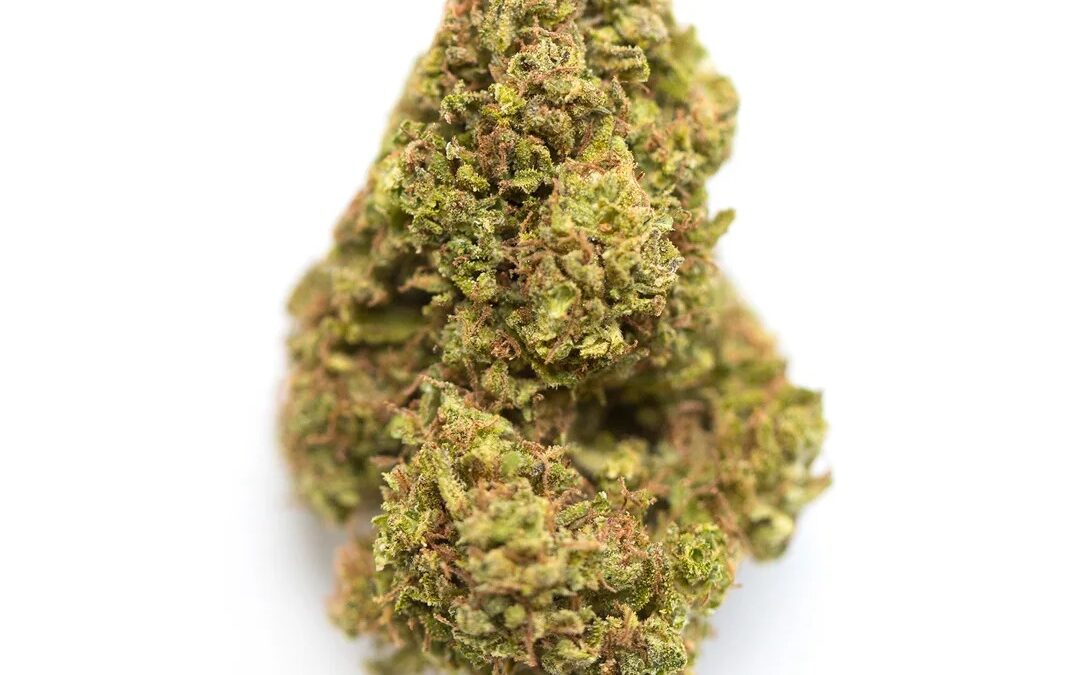
Full-spectrum CBD contains the complete range of compounds naturally found in the hemp plant — CBD, minor cannabinoids like CBG and CBN, terpenes, and trace amounts of THC (legally capped at 0.3% or less in hemp-derived products in the U.S.). The idea behind full-spectrum products is something researchers call the “entourage effect” — the theory that these compounds work better together than any one of them would in isolation. It’s a popular theory among CBD users, though the scientific research supporting it is still developing.
The trade-off is the trace THC. It’s not enough to produce a noticeable high for most people, but it can be enough to show up on a sensitive drug test, which is worth knowing if that’s a concern for your job or lifestyle.
Broad-Spectrum CBD
Broad-spectrum sits in the middle. It keeps most of the same cannabinoids and terpenes as full-spectrum, but the THC is removed through additional processing. That means you still get a wider range of compounds working together, without the THC that might show up on a drug screen. It’s often the choice for people who want more than just isolated CBD but still want to avoid THC entirely.
CBD Isolate
Isolate is exactly what it sounds like: pure CBD, with everything else stripped away. It’s typically the most affordable option and comes as a flavorless, odorless powder or crystal that can be added to food, drinks, or taken on its own. Because there’s no THC and no other cannabinoids, it’s the most predictable option in terms of what you’re actually consuming — but you also miss out on whatever benefit the entourage effect might offer.
Which One Should You Choose?
- Want the most natural, whole-plant experience: full-spectrum is generally the go-to, as long as trace THC isn’t a concern for you.
- Want extra cannabinoids but need to avoid THC entirely: broad-spectrum is the middle ground.
- Want the simplest, most predictable option: isolate is easiest to dose consistently and works well for beginners figuring out how CBD affects them.

A Few Buying Tips That Apply to All Three
Regardless of which type you choose, a few habits make for a smarter purchase. Look for a certificate of analysis (COA) from a third-party lab — reputable brands will make this easy to find, either on the product page or through a QR code on the packaging. This confirms the actual cannabinoid content matches what’s on the label, and that the product is free of contaminants like heavy metals or pesticides. Start with a lower amount than you think you need, since everyone responds differently, and give it time before adjusting — CBD isn’t usually something that hits instantly the way THC can.
Note:- This article is for general information only and isn’t medical advice. Talk to a doctor before using CBD, especially if you take other medications or have an existing health condition.