 By Harvey
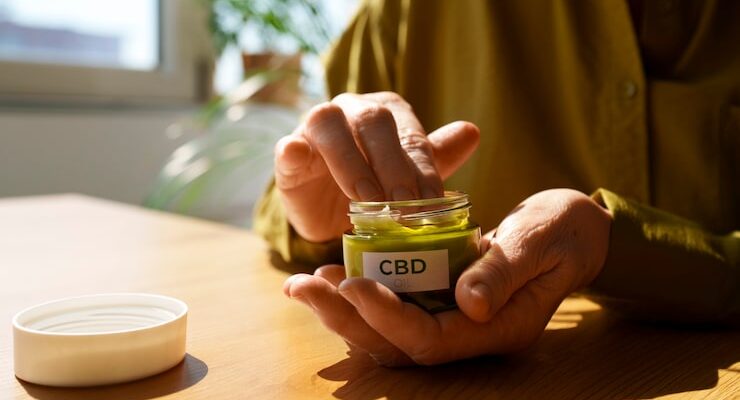
CBD has made its way into just about every corner of the beauty aisle — serums, face oils, moisturizers, even sheet masks. But applying CBD to your skin is a very different experience from taking it internally, and the claims around it are worth a closer, more grounded look.
How CBD Skincare Is Different From CBD Oil
When CBD is taken orally or sublingually, it works its way into the body’s endocannabinoid system through the bloodstream. Topical CBD products work differently — they interact with cannabinoid receptors located in the skin itself, without being absorbed into the bloodstream in any meaningful amount. That means a CBD face cream isn’t going to produce the same body-wide effects as a CBD tincture; its role is more localized, working directly where it’s applied.
What CBD May Actually Do for Skin
- Calming redness: CBD has documented anti-inflammatory properties in early research, which is why it’s often marketed toward sensitive or reactive skin.
- Balancing oil production: some studies suggest CBD may help regulate sebum (the skin’s natural oil), which is part of why it’s shown up in acne-focused skincare lines.
- Antioxidant support: CBD contains antioxidant properties that may help protect skin from environmental stress, similar to how vitamin C or E function in other skincare products.
- Moisture retention: many CBD skincare formulas are paired with hydrating ingredients like hyaluronic acid, so some of the moisturizing benefit may come from the formula as a whole rather than CBD specifically.

Reading a CBD Skincare Label
Not all CBD skincare is created equal, and labels can be genuinely confusing. A few things worth checking before buying:
- CBD concentration: look for the actual milligram amount of CBD in the product, not just the word “CBD” on the front — some products contain only trace, marketing-driven amounts.
- Full ingredient list: CBD works alongside the rest of the formula, so a product loaded with fragrances or harsh alcohols can undercut any calming benefit CBD might offer.
- Third-party testing: as with any CBD product, a certificate of analysis confirms both potency and that the product is free of contaminants.
Who Might Benefit Most
People with sensitive, reactive, or acne-prone skin tend to be the most common audience for CBD skincare, given its anti-inflammatory and oil-balancing associations. That said, skincare is highly individual — what calms one person’s skin can irritate someone else’s, especially if a product contains other active ingredients alongside the CBD. As with introducing any new skincare product, patch-testing on a small area first is worth the extra day it takes.
Setting Realistic Expectations
CBD skincare isn’t a miracle fix, and the research on topical CBD specifically is still much thinner than research on ingested CBD. It’s best thought of as a potentially soothing addition to a skincare routine — not a replacement for sunscreen, a solid cleansing routine, or a dermatologist’s advice for anything more serious than everyday redness or dryness.
There’s also a practical side worth considering: CBD skincare products, especially ones from smaller or less established brands, can carry a noticeably higher price tag than comparable formulas without CBD. Whether that premium is worth it often comes down to how your skin actually responds, not the marketing on the box. Giving a new product a few weeks of consistent use — rather than judging it after a single application — is usually a more reliable way to tell if it’s actually making a difference for your skin.
Note:- This article is for general information only and isn’t medical advice. Consult a dermatologist for persistent skin concerns.